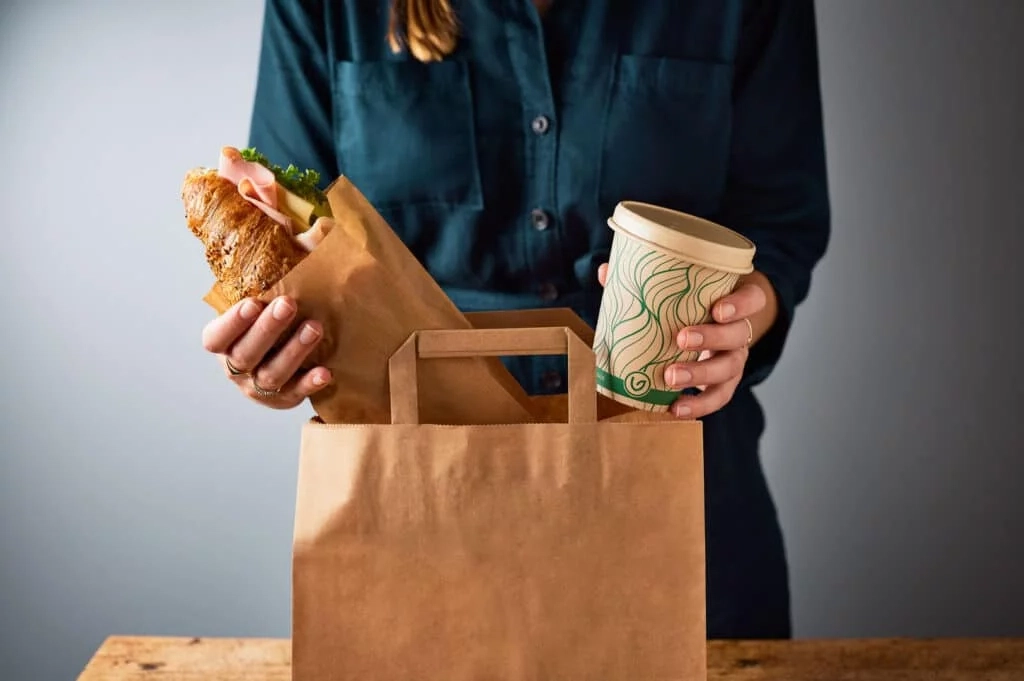
Recycled paper is increasingly recognized as an essential component in promoting healthy school lunches. Its use aligns with environmental sustainability while meeting rigorous food safety standards. This guarantees that meals are packaged in materials that do not pose health risks. As schools adopt these eco-friendly solutions, they not only enhance student well-being but also foster a culture of mindfulness towards food choices. What implications does this shift have for the future of school nutrition?
Key Takeaways
- Recycled paper reduces waste and conserves resources, promoting a sustainable environment for healthy school lunches.
- Strict safety standards ensure recycled paper is safe for food packaging, preventing harmful substances from leaching into meals.
- Using recycled paper fosters a culture of responsibility and environmental stewardship among students, enhancing their engagement with healthy eating.
- Implementing recycled paper solutions can create a sense of belonging within the school community, aligning with families who value health and sustainability.
- Awareness campaigns and recycling stations encourage proper disposal, reinforcing the importance of sustainability in school lunch practices.
The Environmental Benefits of Using Recycled Paper for School Lunches
As schools increasingly prioritize sustainability, the use of recycled paper for school lunches emerges as a compelling solution that benefits the environment. This eco-friendly choice not only reduces waste but also conserves valuable resources like water and energy. By opting for recycled paper, schools can greatly decrease their carbon footprint, fostering a healthier planet for future generations. Additionally, this practice promotes a culture of responsibility among students, encouraging them to value sustainable habits. While concerns may arise regarding whether is recycled paper safe for food, many manufacturers adhere to strict safety guidelines, ensuring the material is suitable for food contact. By integrating recycled paper into lunch packaging, schools can create a sense of community focused on environmental stewardship, ultimately enriching the educational experience.
Understanding Food Safety Standards for Packaging Materials
When evaluating packaging materials for food, it is essential to understand the stringent food safety standards that govern their use. These standards are designed to guarantee that materials do not leach harmful substances into food products. Organizations such as the Food and Drug Administration (FDA) set guidelines that packaging must meet to be deemed safe. This includes assessments of chemical migration, microbial safety, and overall material composition. Adhering to these regulations helps schools and parents feel confident that the lunch packaging is not only environmentally responsible but also safe for children’s consumption. As communities increasingly prioritize health and sustainability, awareness of these standards fosters a collective commitment to providing safe and nutritious meals, ultimately nurturing a sense of belonging among families.
Is Recycled Paper Safe for Food? Debunking Common Myths
How safe is recycled paper for food packaging? Many people harbor misconceptions about its safety, fearing contaminants from the recycling process. However, reputable manufacturers adhere to strict safety standards, ensuring that recycled paper is suitable for food contact. Safety assessments confirm that recycled paper meets regulatory requirements, making it a viable option for food packaging. Additionally, recent studies indicate that the risk of harmful substances is minimal, especially when compared to single-use plastics. Embracing recycled paper not only supports sustainable practices but also promotes a healthier environment for future generations. By debunking these common myths, communities can feel more confident in choosing recycled paper for their school lunches, fostering a sense of belonging and responsibility towards healthier choices.
How Recycled Paper Supports Healthy Eating Habits
While many factors contribute to healthy eating habits, the choice of packaging can markedly influence food consumption, particularly in school settings. Recycled paper packaging presents a compelling option that aligns with health-conscious practices. By utilizing recycled paper, schools can promote safer food handling and reduce environmental footprints, fostering a culture of sustainability. This eco-friendly choice encourages students to engage with their meals more thoughtfully, as they recognize the connection between their eating habits and the health of the planet. Additionally, when schools prioritize recycled paper, they create an inclusive environment that resonates with families who value health and sustainability. Ultimately, embracing recycled paper not only supports nutritious choices but also cultivates a sense of belonging within the school community.
Practical Tips for Schools to Implement Recycled Paper Solutions
As schools increasingly recognize the importance of sustainability, implementing recycled paper solutions becomes a practical step toward fostering a healthier environment for students. To effectively integrate recycled paper, schools can start by evaluating their current paper usage and identifying areas for improvement. Collaborating with suppliers who offer certified food-safe recycled paper guarantees that materials used for lunch packaging align with health standards, addressing the question: is recycled paper safe for food? Additionally, schools can involve students in awareness campaigns about the benefits of recycling, promoting a sense of community responsibility. Establishing recycling stations throughout the campus encourages proper disposal practices, further enhancing engagement. By adopting these practices, schools can create a culture of sustainability that resonates with students, staff, and families alike.
Frequently Asked Questions
What Types of Recycled Paper Are Best for Food Packaging?
The best types of recycled paper for food packaging include unbleached kraft paper and food-safe paper certified by relevant authorities. These options guarantee safety, sustainability, and minimal environmental impact, appealing to conscientious consumers seeking eco-friendly choices.
Can Recycled Paper Contain Harmful Chemicals for Food Contact?
Recycled paper can potentially contain harmful chemicals for food contact, depending on its source and processing. However, strict regulations guarantee that safe recycled paper options are available, promoting environmental sustainability while minimizing health risks.
How Is Recycled Paper Processed for Safety?
Recycled paper undergoes rigorous processing, including de-inking and sterilization, to eliminate harmful contaminants. This careful treatment guarantees that the final product is safe for food contact, promoting both health and environmental sustainability in various applications.
Are There Specific Certifications for Recycled Paper Used in Food?
Yes, there are specific certifications for recycled paper used in food, such as the FDA compliance and the FSC certification. These guarantee safety standards are met, promoting environmentally responsible practices while safeguarding consumer health.
How Does Recycled Paper Compare to Plastic in Food Safety?
Recycled paper generally poses fewer health risks than plastic, as it is less likely to leach harmful chemicals into food. Its biodegradable nature also supports environmental sustainability, appealing to those prioritizing both safety and ecological responsibility.
Conclusion
To sum up, incorporating recycled paper into school lunch programs not only champions environmental sustainability but also enhances food safety and promotes healthier eating habits among students. By choosing eco-friendly packaging, schools can foster a culture of responsibility and mindfulness in their communities. Embracing recycled paper solutions is a forward-thinking approach that benefits both the environment and the well-being of children, ultimately paving the way for a healthier future. Recycled paper is a smart choice for nurturing both bodies and the planet.
You May Also Like To Read: